For Landowners
Pays like a tenant. Behaves like a fence.

What we look for
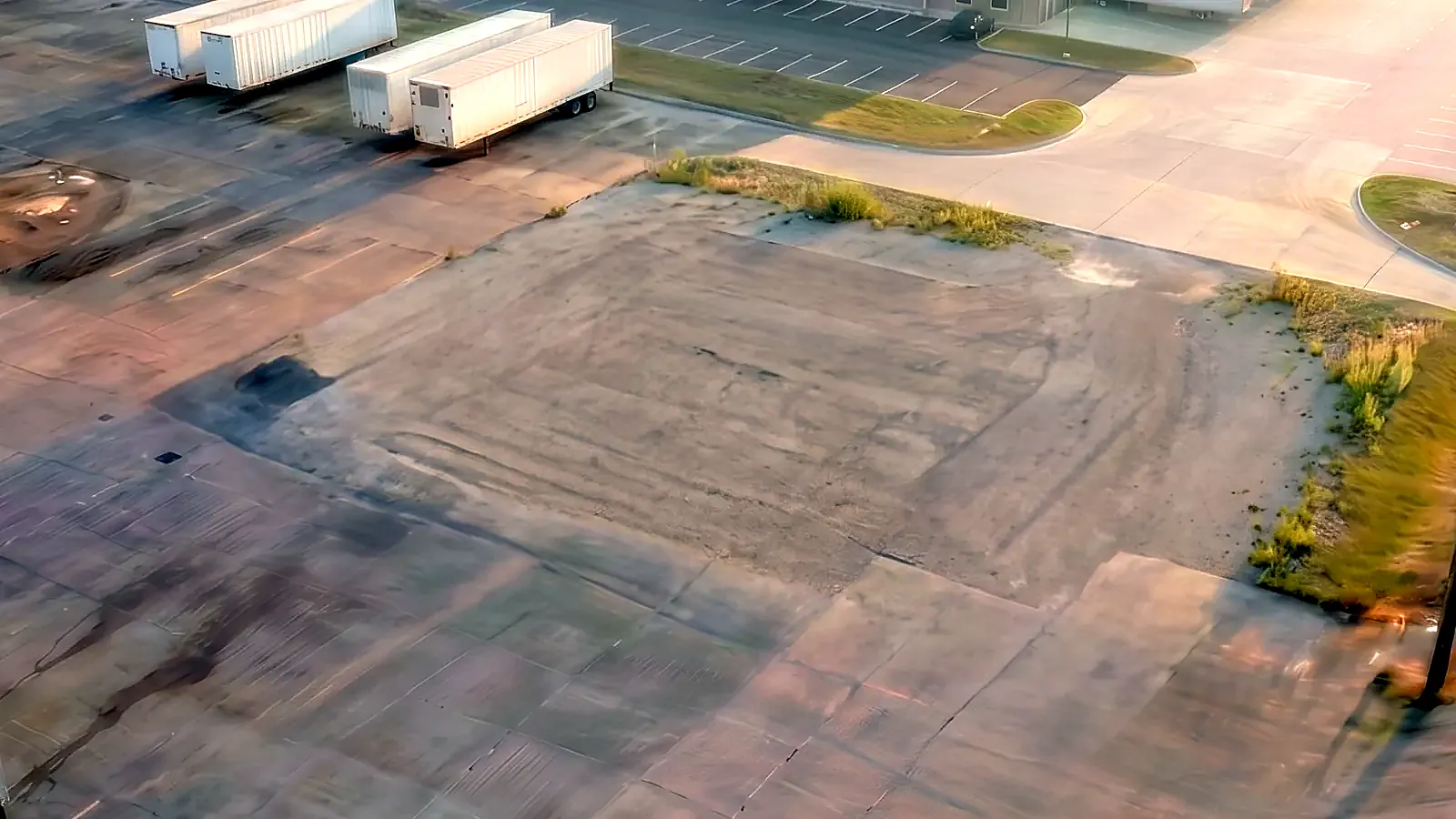
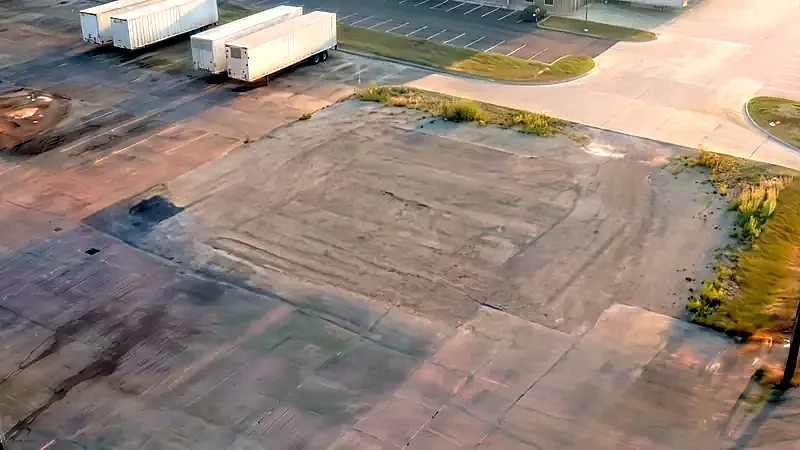
Industrial yards and laydown areas.
Rail-adjacent land.
Commercial remnants and outlots.
From under half an acre.
Close to distribution lines or a substation.
Flat, accessible, outside regulated floodways, with clear title.
What hosting looks like
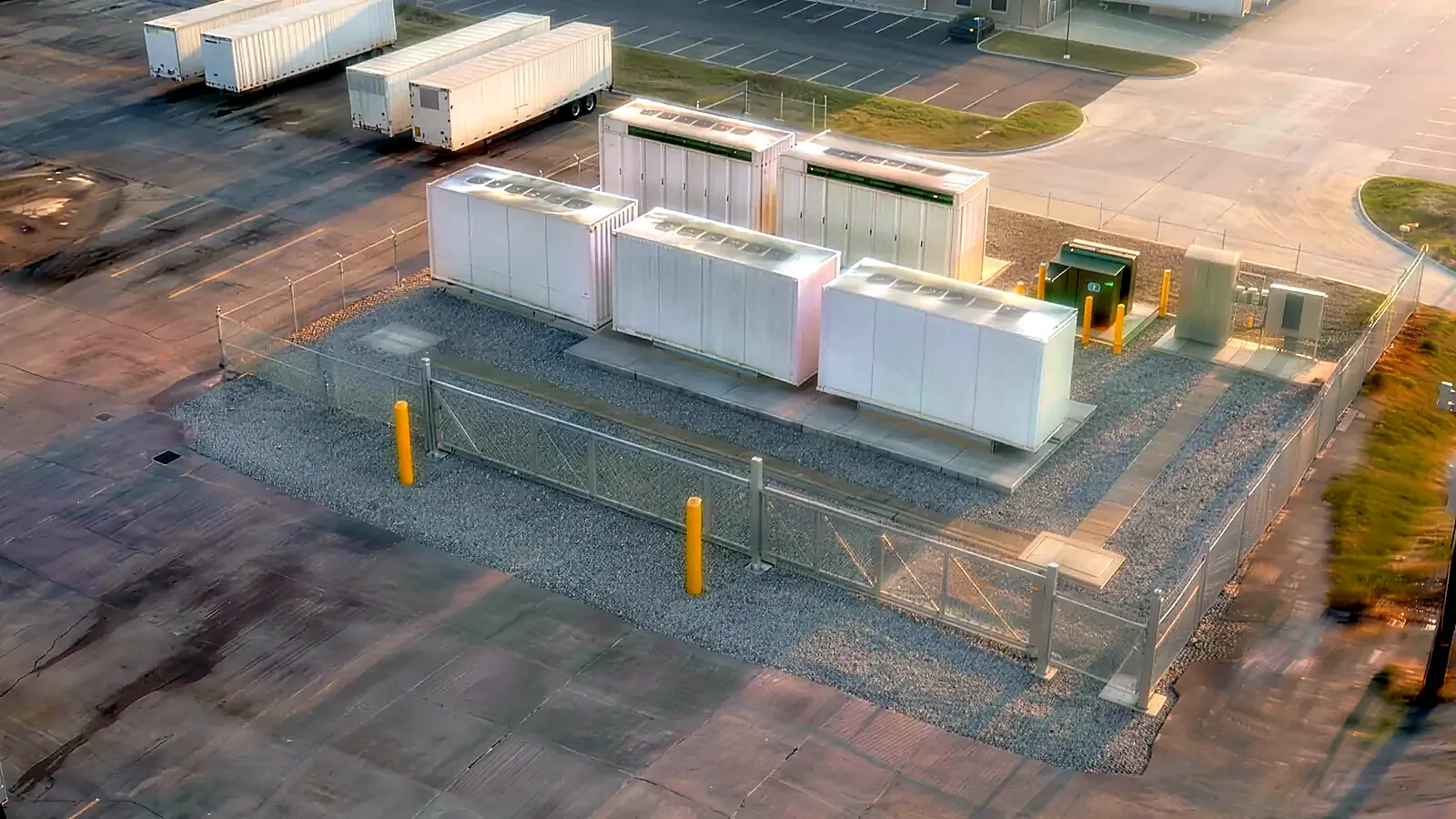
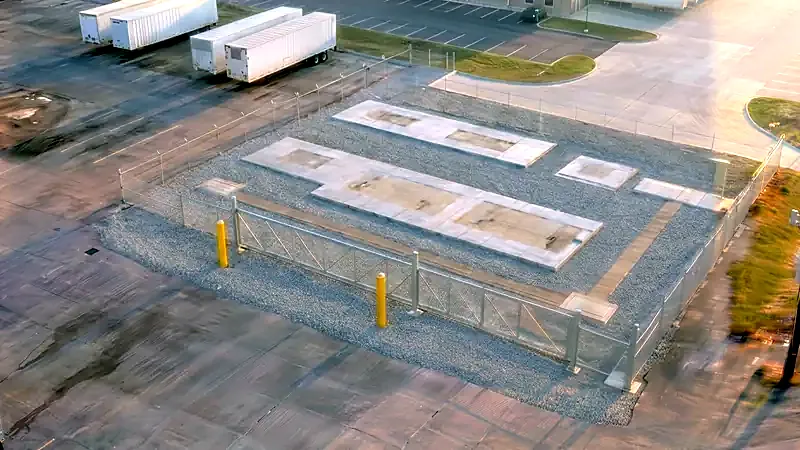
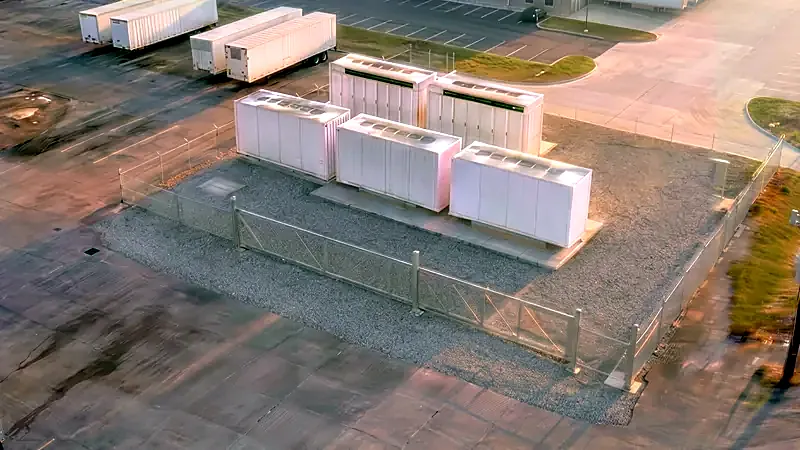
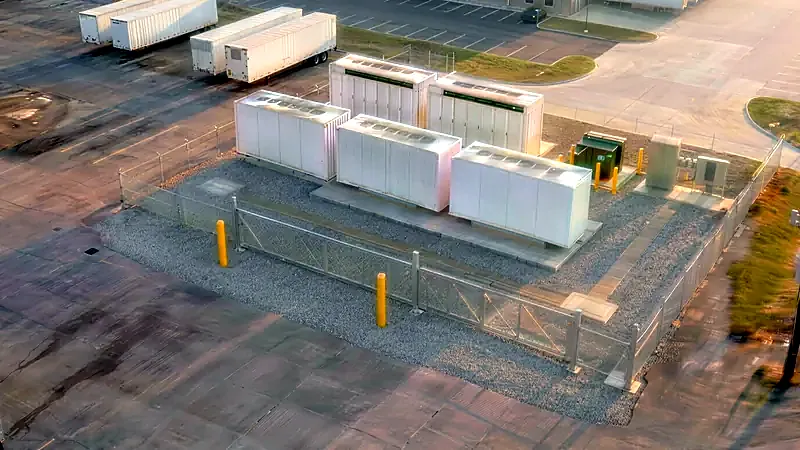
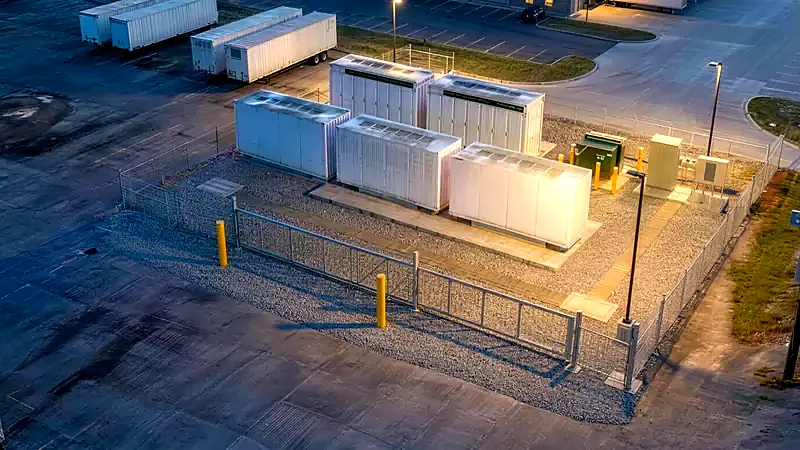
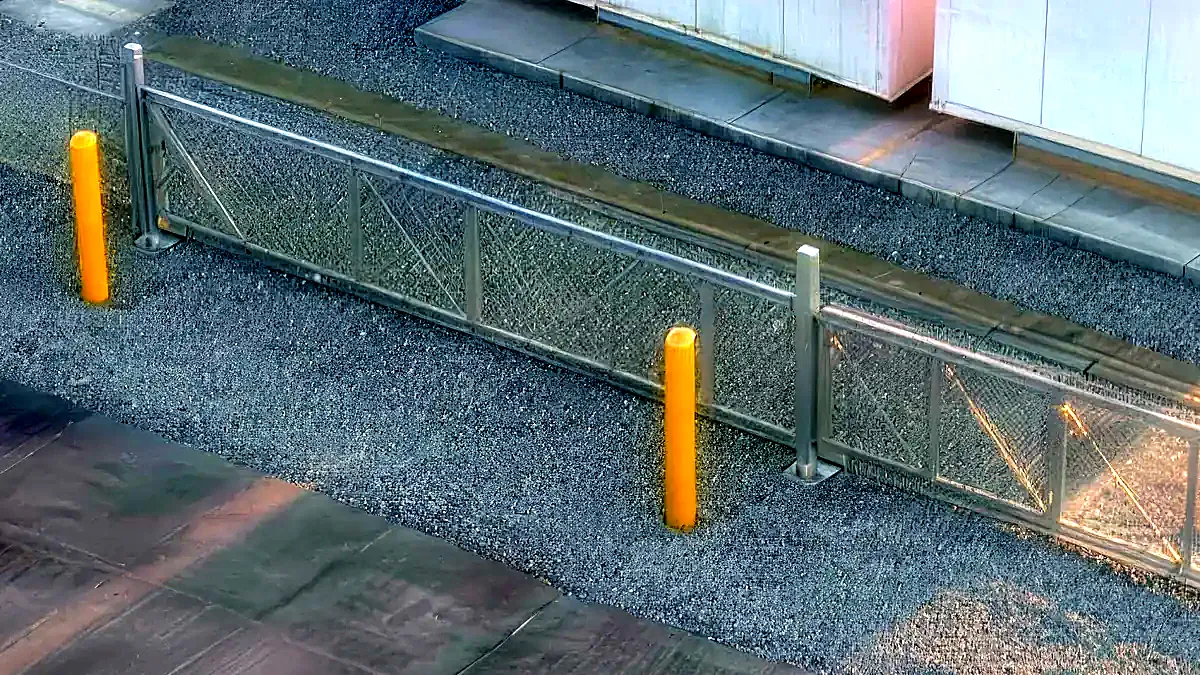
A fenced pad in the corner of a working yard.
Enclosures, a transformer, and a line to the road.
It burns nothing, it runs quiet, and no one needs to be there.
It steadies the wire that already runs past.
A short construction window, then the pad. We own and operate the equipment for the life of the project — you never inherit an asset or a liability.

What we carry
All of it. Development, permitting, interconnection, equipment, insurance, and operations are ours. Your obligations under the lease are narrow and written in plain language.
The process
Send an address. We screen it against utility infrastructure and local code and tell you right away whether it works. If it doesn’t, we say so. If it does, you get a term sheet: fixed payments, plain terms.
Questions landowners ask
- Who owns the equipment, and who is on the hook if something goes wrong?
- We own the equipment for the life of the project and we carry the insurance on it. You hold the ground lease; the asset and its liability stay with us.
- What does the lease actually require of me?
- You lease the ground and grant access for construction and maintenance. There is nothing for you to operate and nothing to sign that you can’t read.
- What happens to the site when the lease ends?
- We decommission the installation and restore the land. Removal is our obligation, written into the lease at the start rather than negotiated at the end.
- Is a battery storage site safe? What about fire risk?
- Designed and built to fire code, including NFPA 855. We bring the local fire authority in at the first drawing, not at inspection.
- Will it be noisy, or produce emissions?
- It burns nothing. Noise is designed to local code. In service, the site sees a handful of maintenance visits a year.
- What costs fall to me as the landowner?
- None, for the life of the project.